Why Cybersecurity Matters More Than Ever in 2026
The UAE remains one of the fastest-growing digital economies in the Middle East. Businesses are adopting cloud technologies, IoT devices, hybrid work environments, artificial intelligence, and digital payment systems at an unprecedented rate.
While these technologies improve efficiency and productivity, they also increase the attack surface available to cybercriminals.
The impact of a successful cyberattack can include:
- Financial losses
- Operational downtime
- Data theft
- Regulatory penalties
- Loss of customer trust
- Reputational damage
As cyber threats continue to evolve, businesses must stay ahead by understanding emerging security trends and implementing proactive defenses.
1. AI-Powered Cyberattacks Are Increasing
Artificial Intelligence (AI) is transforming industries worldwide, but cybercriminals are also leveraging AI to launch more sophisticated attacks.
In 2026, businesses are seeing:
- AI-generated phishing emails
- Automated vulnerability scanning
- Deepfake impersonation attacks
- Intelligent malware
- Advanced social engineering campaigns
These attacks are often harder to detect because they closely mimic legitimate communications and user behavior.
To defend against AI-powered threats, businesses should invest in:
- Advanced threat detection
- Employee security awareness training
- Multi-factor authentication (MFA)
- Security monitoring solutions
Organizations that fail to adapt may become increasingly vulnerable to next-generation cyber threats.
2. Zero Trust Security Is Becoming the Standard
Traditional security models assumed that users and devices inside the corporate network could be trusted. However, modern cybersecurity strategies follow the principle of "Never Trust, Always Verify."
This approach is known as Zero Trust Security.
Key components include:
- Continuous authentication
- Identity verification
- Device validation
- Least-privilege access
- Network segmentation
Rather than granting unrestricted access, Zero Trust ensures that every user, device, and application must continuously prove legitimacy before accessing resources.
Many UAE businesses are adopting Zero Trust frameworks to strengthen security and reduce the risk of internal and external attacks.
3. Ransomware Remains a Major Threat
Ransomware continues to be one of the most damaging cyber threats facing businesses.
Attackers encrypt critical business data and demand payment in exchange for restoring access. In some cases, they also threaten to publish sensitive information if payment is not made.
Common ransomware targets include:
- Healthcare organizations
- Financial institutions
- Educational institutions
- Manufacturing companies
- Logistics providers
- SMEs
To reduce ransomware risks, businesses should implement:
- Regular data backups
- Endpoint protection
- Patch management
- Employee awareness training
- Email security solutions
A strong backup and disaster recovery strategy remains one of the most effective defenses against ransomware attacks.
4. Cloud Security Is a Top Priority
Cloud adoption continues to accelerate across the UAE.
Organizations increasingly use cloud services for:
- File storage
- Collaboration
- Email
- Business applications
- Customer relationship management
While cloud platforms provide flexibility and scalability, they also introduce new security challenges.
Common cloud security risks include:
- Misconfigured environments
- Weak access controls
- Data exposure
- Insider threats
- Unsecured APIs
Businesses must ensure proper cloud security practices, including:
- Multi-factor authentication
- Data encryption
- Access management
- Continuous monitoring
- Security audits
Cloud security should be a critical component of every organization's cybersecurity strategy.
5. Multi-Factor Authentication Is No Longer Optional
Passwords alone are no longer sufficient to protect business systems.
Cybercriminals frequently obtain passwords through:
- Phishing attacks
- Credential theft
- Data breaches
- Password spraying attacks
Multi-Factor Authentication (MFA) adds an extra layer of security by requiring users to verify their identity using additional factors such as:
- Mobile authentication apps
- SMS verification
- Security tokens
- Biometric authentication
In 2026, businesses that do not implement MFA significantly increase their risk of unauthorized access.
6. Remote and Hybrid Work Security Challenges
Hybrid work models continue to be popular across the UAE.
Employees now access business systems from:
- Home offices
- Remote locations
- Mobile devices
- Public networks
While flexible work arrangements improve productivity, they also create additional security challenges.
Organizations must secure:
- Remote endpoints
- Home networks
- Cloud applications
- Virtual private networks (VPNs)
- Mobile devices
Managed IT and cybersecurity providers play a vital role in helping businesses secure remote work environments.
7. Cybersecurity Compliance Is Becoming More Important
Governments and regulatory bodies continue to introduce stricter requirements for data protection and cybersecurity.
Businesses handling sensitive customer information must ensure compliance with applicable regulations and industry standards.
Compliance requirements often include:
- Data protection policies
- Security monitoring
- Access controls
- Incident response planning
- Regular security assessments
Failure to comply can result in financial penalties and reputational damage.
Organizations should work with cybersecurity professionals to maintain compliance and reduce risk.
8. Managed Security Services Are Growing Rapidly
Many businesses lack the internal resources required to manage cybersecurity effectively.
As a result, organizations increasingly rely on Managed Security Service Providers (MSSPs) for:
- 24/7 monitoring
- Threat detection
- Incident response
- Vulnerability management
- Security consulting
Benefits include:
- Access to security experts
- Faster threat response
- Reduced operational burden
- Improved visibility
- Enhanced protection
For SMEs, managed cybersecurity services provide enterprise-level security without the cost of building a large internal security team.
9. Employee Awareness Is a Critical Defense Layer
Technology alone cannot stop every cyberattack.
Human error remains one of the leading causes of security incidents.
Employees should receive regular training on:
- Phishing detection
- Password security
- Safe internet usage
- Social engineering threats
- Data handling procedures
A well-trained workforce significantly reduces the likelihood of successful cyberattacks.
Cybersecurity awareness should be an ongoing process rather than a one-time training session.
10. Proactive Security Monitoring Is Essential
Modern cybersecurity requires continuous monitoring rather than reactive responses.
Businesses should implement:
- Security Information and Event Management (SIEM)
- Endpoint Detection and Response (EDR)
- Threat intelligence services
- Network monitoring
- Vulnerability scanning
Proactive monitoring helps organizations detect suspicious activity early and respond before significant damage occurs.
The faster a threat is identified, the lower the potential impact on business operations.
How ITSP Technologies Helps UAE Businesses Stay Secure
As cyber threats continue to evolve, businesses need experienced technology partners to help protect their infrastructure.
ITSP Technologies provides comprehensive cybersecurity and managed IT services, including:
- Cybersecurity Solutions
- Managed IT Services
- Security Monitoring
- Network Security
- Endpoint Protection
- Cloud Security
- Data Backup & Recovery
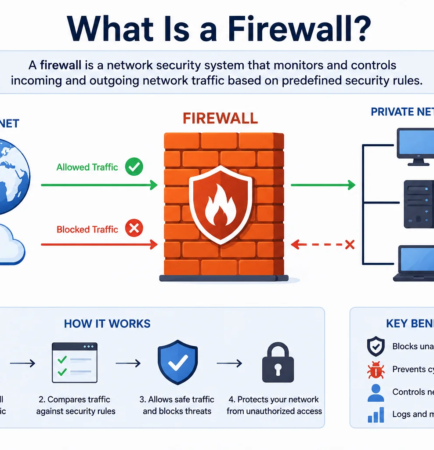
- Firewall Management
- Vulnerability Assessments
- IT Infrastructure Support
With proactive monitoring and expert support, ITSP Technologies helps organizations strengthen their security posture and reduce cyber risks.
Learn More: https://itspme.com/
Frequently Asked Questions
What is the biggest cybersecurity threat in 2026?
Ransomware, AI-powered phishing attacks, and cloud security vulnerabilities are among the biggest threats facing businesses.
Why is Multi-Factor Authentication important?
MFA adds an additional layer of security and significantly reduces the risk of unauthorized account access.
What is Zero Trust Security?
Zero Trust is a security model that continuously verifies users, devices, and applications before granting access to resources.
How can small businesses improve cybersecurity?
Implementing MFA, employee training, endpoint protection, backups, and managed security services can significantly improve security.
Are Managed Security Services worth it?
Yes. Managed security services provide access to specialized expertise, continuous monitoring, and faster threat response without requiring a large internal security team.
Final Thoughts
Cybersecurity continues to evolve as businesses adopt new technologies and cybercriminals develop more advanced attack methods. In 2026, organizations must move beyond traditional security approaches and embrace proactive, multi-layered cybersecurity strategies.
By understanding emerging trends such as AI-powered threats, Zero Trust security, cloud protection, ransomware defense, and managed security services, UAE businesses can better protect their systems, data, and customers.
Organizations that invest in cybersecurity today will be better positioned to navigate future challenges and maintain long-term business success.
Protect Your Business with Professional Cybersecurity Solutions:
https://itspme.com/